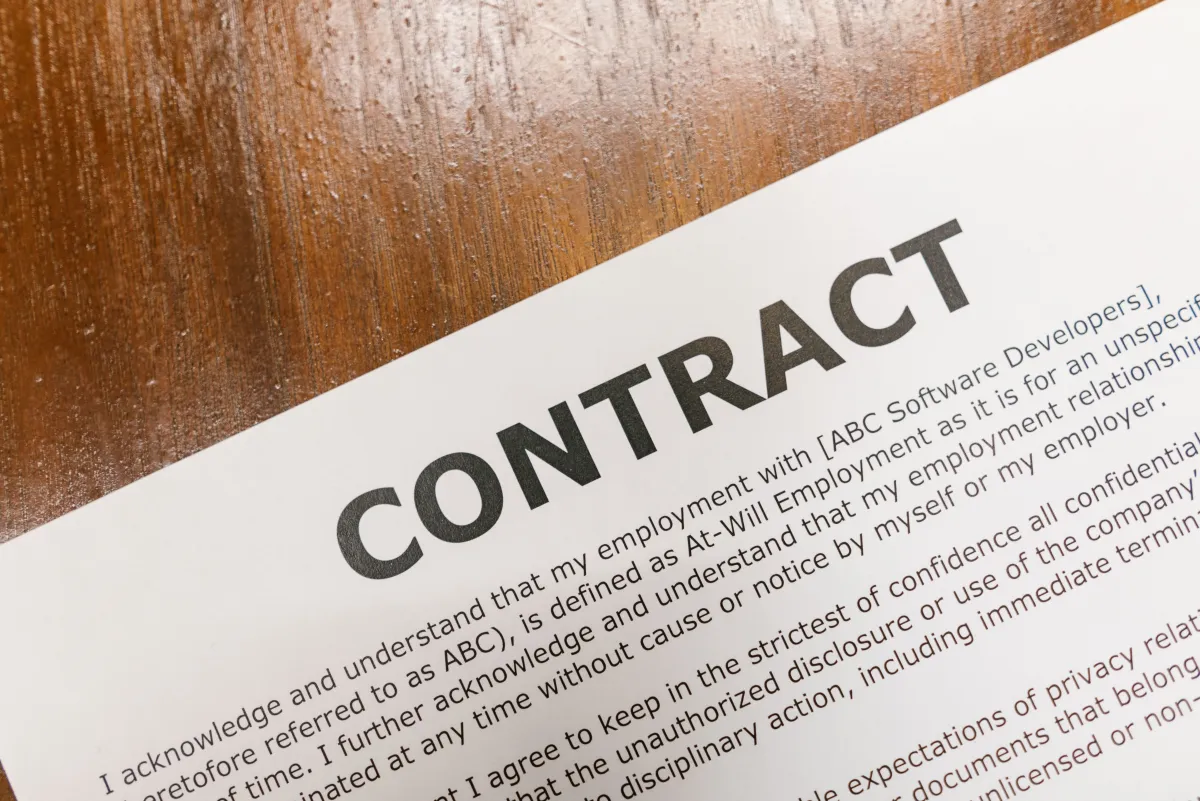
Receiving a development proposal is exciting — it means your project is moving forward. But before you sign, take a closer look. A polished proposal with an attractive price doesn't always guarantee a successful project. Some of the biggest problems don't show up during development at all — they're hidden in the proposal itself. Here are the warning signs worth taking seriously.
1. Vague Project Scope
If the proposal says "complete website," "custom platform," or "full system development" without explaining exactly what's included, that's a red flag. A good proposal clearly defines the features, pages, user roles, integrations, deliverables — and just as important, what's not included. Ambiguity here tends to turn into disagreements and unexpected costs later.
2. Unrealistic Timelines
Be cautious of an agency promising to build a complex application in an unusually short timeframe. Quality software needs planning, design, development, testing, revisions, and deployment. Experienced teams can move efficiently, but an extremely aggressive timeline is often a sign that corners are going to get cut somewhere.
3. No Mention of Testing
Testing is an essential part of building software. If the proposal doesn't mention quality assurance, bug fixing, user acceptance testing, or performance testing, ask why. Launching without proper testing usually means expensive fixes after the project is already live.
4. Ownership Isn't Clearly Defined
One of the most important questions is who owns the final product. The proposal should state clearly whether you'll receive the source code, database, design files, documentation, server credentials, and domain ownership. If ownership isn't addressed, you may face real limitations after launch.
5. Hidden Costs
A proposal that looks inexpensive at first can become much more expensive over time. Watch for unclear pricing around additional features, revisions, third-party services, hosting, maintenance, support, and deployment. A transparent proposal spells out what's included and what might incur extra charges.
6. No Maintenance or Support Plan
Launching a website isn't the end of the journey — software needs updates, security patches, and the occasional bug fix. If the proposal ends at deployment with no mention of what happens next, ask directly what support looks like after release.
7. Security Is Never Mentioned
Every modern web application should consider security from the start. A professional proposal should address HTTPS, authentication, authorization, secure data handling, backup strategy, and protection against common vulnerabilities. Skipping security early creates real risk later.
8. No Deployment Strategy
Many proposals describe how the application will be built but not how it will actually be delivered. Ask how updates will be deployed, whether there's a staging environment, whether downtime is expected during releases, and whether there's a rollback plan. A smooth deployment process matters just as much as the development itself.
9. No Change Management Process
Requirements change — that's normal. A strong proposal explains how scope changes are handled: the approval process, timeline impact, cost adjustments, and documentation of what changed. Without a defined process, small requests can quickly turn into major disputes.
Want a proposal that actually spells all of this out? Ask us for one.
Start a Conversation